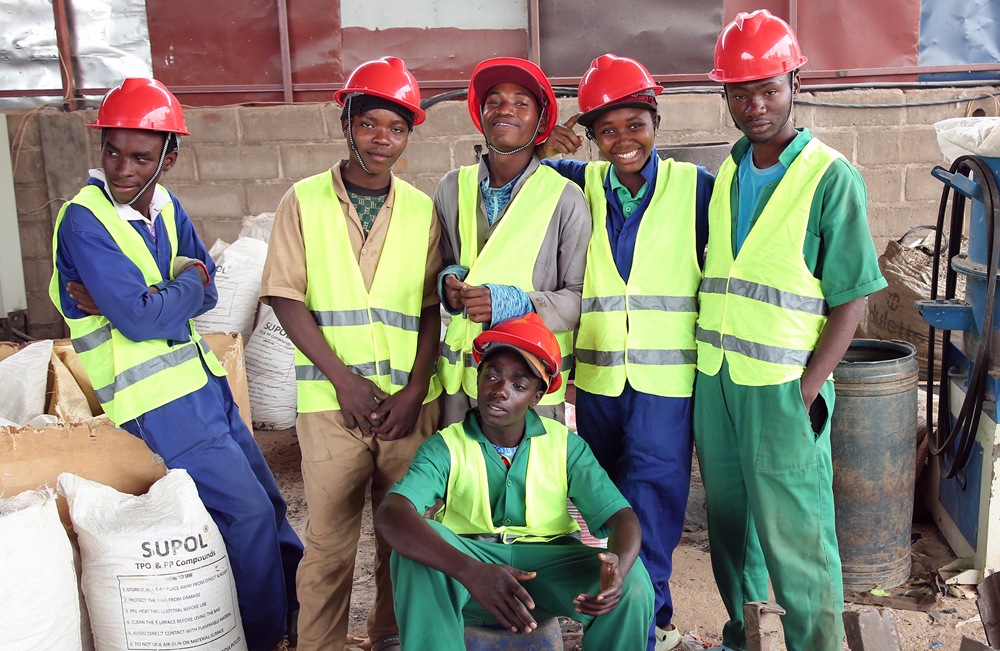
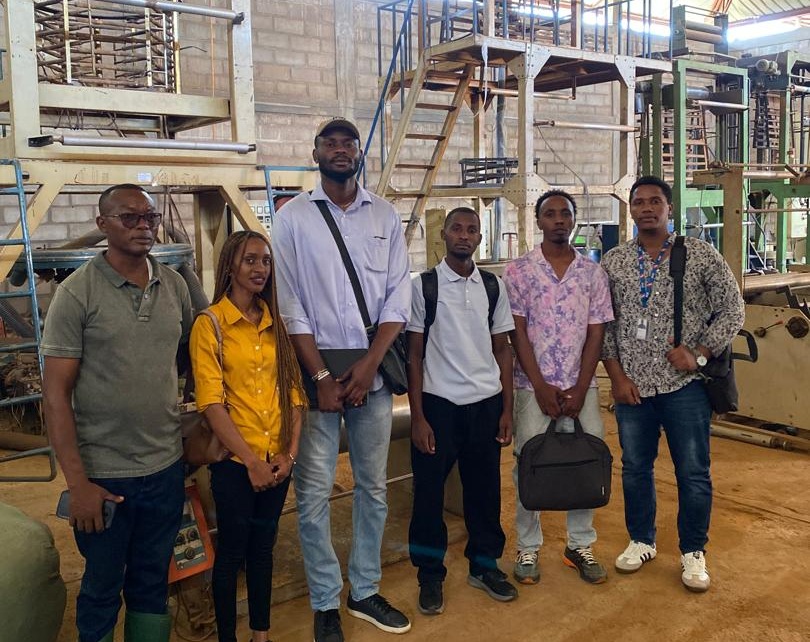
While there are still varying perceptions regarding waste management jobs, young people working at the Agroplast Ltd factory state that this work has become a source of development, wellbeing, and environmental protection.
Primarily composed of young men and women, they report gaining skills, income, and hope for the country’s future by adding value to materials that would otherwise damage the environment.
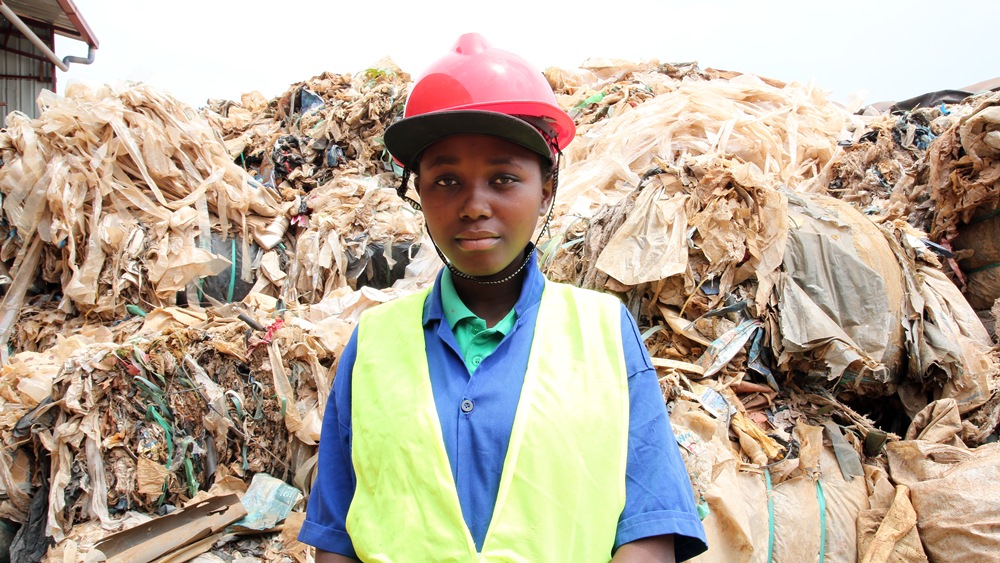
Uwitonze Monique, a 20-year-old employee, says she is delighted with the opportunity to work at Agroplast Ltd because she has gained extensive knowledge about environmental protection and recycling.
She explains that the job has not just provided her with a livelihood; it has taught her that items once considered “waste” can be turned into valuable resources.
“I truly encourage my unemployed peers to come and join us,” she said. “Some say we work in ‘dirt,’ but that isn’t the case because we are protecting the environment while earning a good living.”
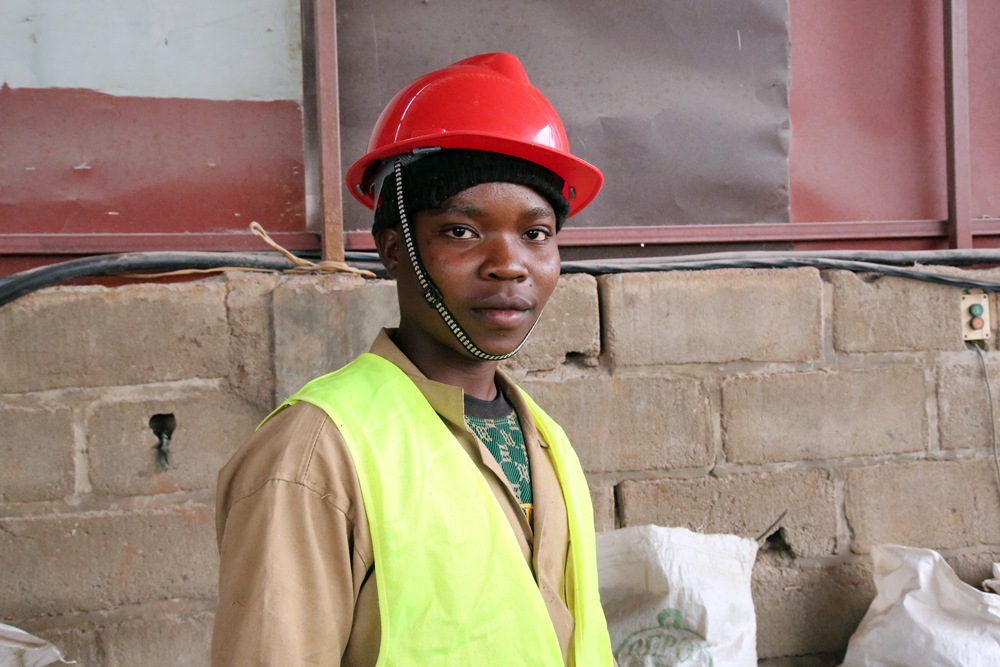
Ngendahimana Pierre Celestin, another young man who decided to join the factory, expressed pride in his role in environmental protection while earning money for his daily needs. He criticized the mindset of those who view the job as “working in filth,” attributing it to a lack of understanding.
Overcoming Stigma through Results
Uwimana Merchiol confirms that the collaboration with colleagues has helped him gain many skills, particularly in teamwork and self-sufficiency through resourcefulness.
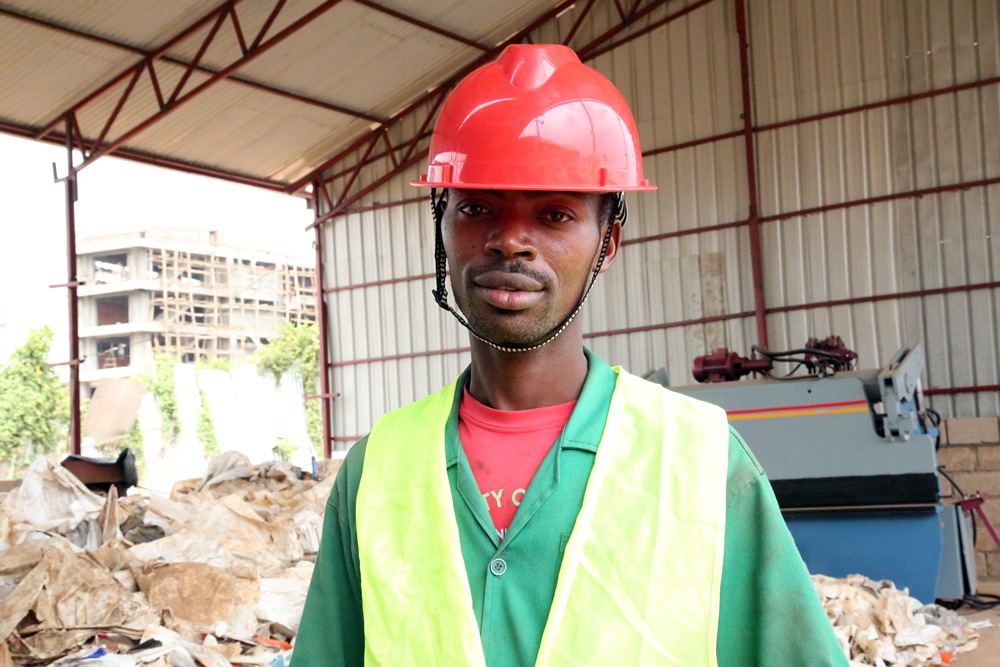
“I am very grateful for how we work together to make our Rwanda beautiful; it is a point of pride,” he noted.
Ms. Kayirangwa Zahra also debunked the myth that processing plastic bags is unhygienic.
She explained that they use safe and efficient methods that protect them from any health risks.
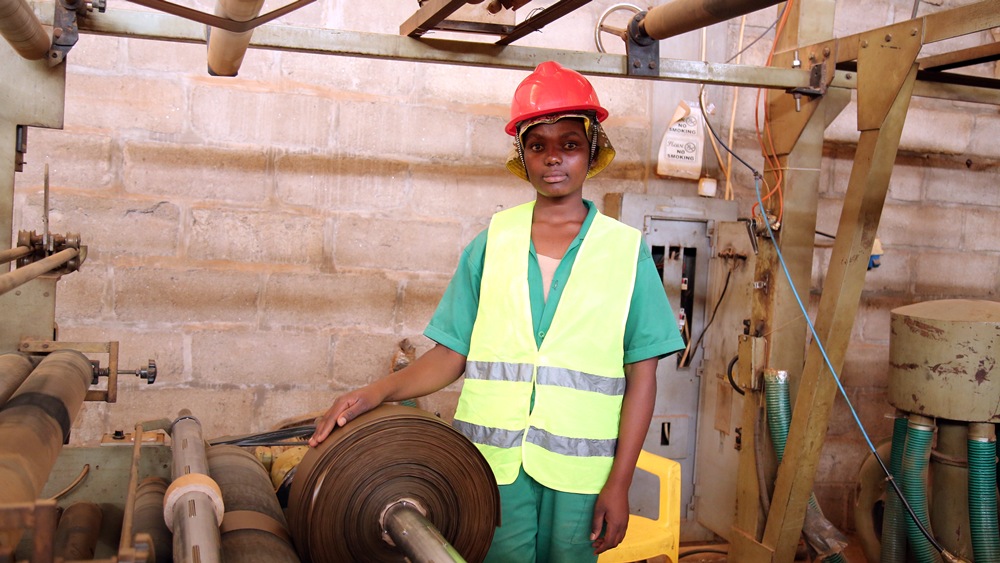
“There is no ‘dirt’ here as some perceive it; instead, it is a source of income and overall wellbeing.”
A Vision from Leadership
Mr. Jean Claude Bucyensenge, the Operations Manager at Agroplast Ltd, explained that they chose to focus on hiring youth because of their energy and willingness to learn and shape the future. He views the factory as a school where youth learn the importance of conservation.
“We expect that in the coming years, the lessons these young people learn here will help them explain to others why protecting the environment is vital,” he said.
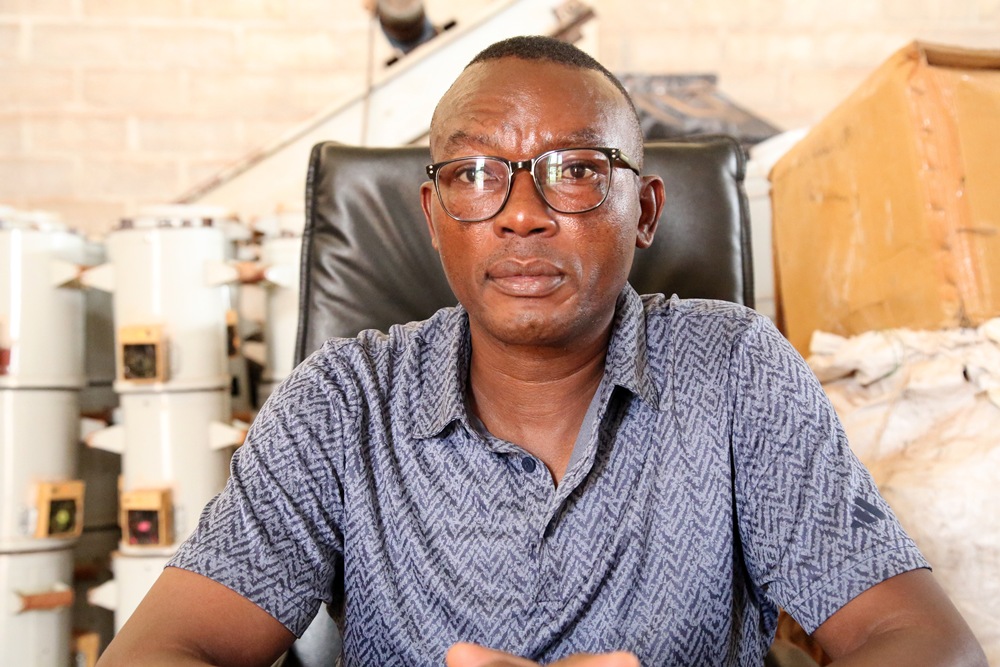
He further noted that the company has made a deliberate effort to encourage young women to join the workforce so they can also play a role in Rwanda’s development. Mr. Jean Claude confirmed that the work has built the capacity of many, allowing them to support themselves and their families.
A Call for Partnership
Despite its success, the factory faces challenges in meeting the high demand for employment.
- Expansion Needs: Many youth apply for jobs, but the factory is limited by its current financial capacity.
- Call to Action: Mr. Jean Claude noted that finding more partners would help increase their capacity to hire more young people.
Agroplast Ltd produces various items, including:
- Agricultural materials (such as Tubings).
- Waste collection bags for hospitals, hotels, and restaurants.
- Various types of plastic sheeting.
- Energy Saving Cookstoves among others
This demonstrates that the factory is not just a waste processing plant, but a platform providing jobs, skills, and a bright future for Rwandan youth.




 English
Leave a Reply